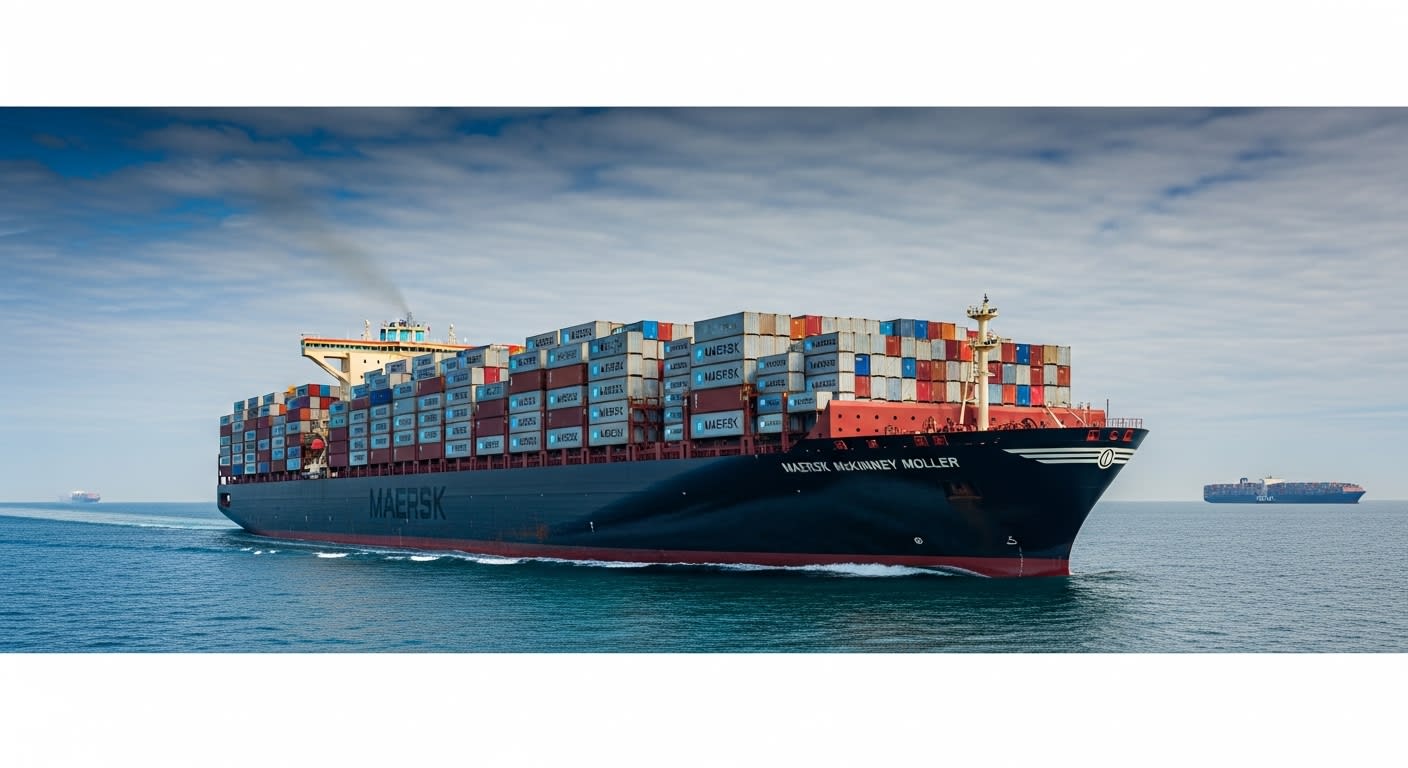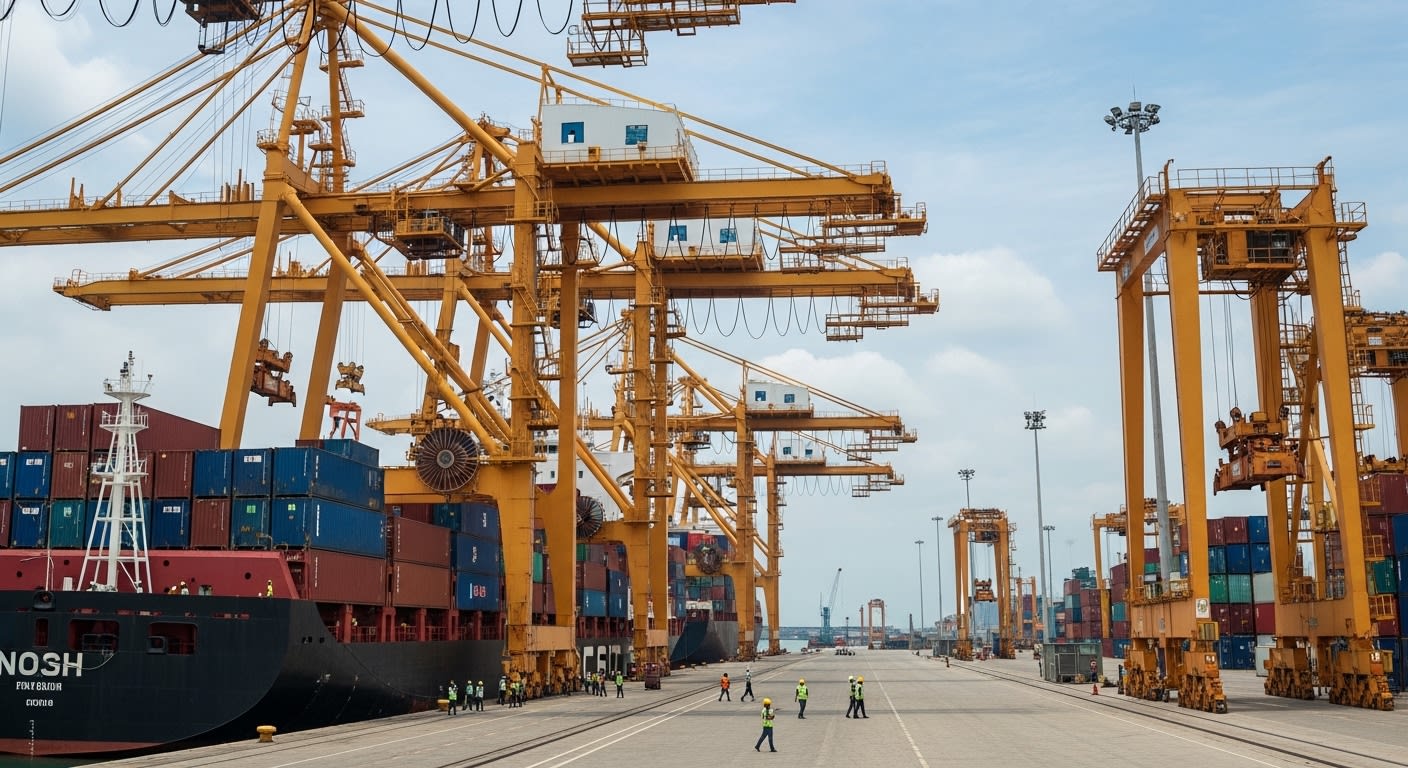
The issue of tariff increment by shipping companies and terminal operators in Nigeria has become a growing concern for businesses, importers, and stakeholders across the maritime sector. In recent times, many companies have adjusted their charges upward, and as expected, this has sparked conversations about its impact on trade, pricing, and the overall economy.
While these increases may seem sudden, they are largely driven by broader economic realities. At the same time, they highlight the need for balance between sustaining operations and supporting business growth.
Tariff Increase in Nigeria’s Sector
In 2026, the Nigerian Shippers' Council approved a tariff increase cap of 30% for shipping companies. However, this figure is not fixed. Instead, it serves as a ceiling, meaning companies may implement smaller increases such as 10% or 20% depending on negotiations with stakeholders.
Interestingly, shipping companies initially proposed much higher increases—between 150% and 200%—due to rising operational expenses. Nevertheless, regulators intervened to prevent excessive financial pressure on businesses and consumers.
At the same time, terminal operators have also adjusted their tariffs periodically, with port charges already revised in recent years under regulatory frameworks tied to inflation and cost indices.
Tariff Increment Reasons in Nigeria
Several factors are driving the tariff increment by shipping companies and terminal operators in Nigeria.
1. Rising Operational Costs
Shipping companies face increased costs related to fuel, labor, vessel maintenance, and global logistics disruptions. For instance, wage increases within the sector have added to financial pressure.
2. Inflation and Currency Fluctuations
Nigeria’s economic environment, including inflation and exchange rate volatility, has significantly affected operational expenses. As a result, companies adjust tariffs to remain sustainable.
RECOMMENDED ARTICLES
Sea Freight Cost from China to Nigeria 2026 Guide
Full Cost Breakdown of Importing Goods into Nigeria in 2026
Reliable Import and Export clearing Services across Nigeria
3. Infrastructure and Port Charges
Terminal operators incur costs for maintaining port infrastructure, equipment, and logistics systems. Therefore, periodic tariff adjustments help cover these expenses.
4. Global Supply Chain Pressures
International shipping trends also influence local pricing. When global freight rates rise, Nigerian operators often adjust accordingly.
Impact on Businesses and the Economy
The tariff increment by shipping companies and terminal operators in Nigeria has far-reaching effects.
1. Increased Cost of Goods
Higher shipping and port charges often lead to increased prices of imported goods. Consequently, consumers bear the final cost.
2. Pressure on Importers and SMEs
Many small and medium-sized businesses struggle to cope with rising logistics costs. In fact, some importers have been unable to clear their goods due to high charges.
3. Delays and Congestion at Ports
Because of increased costs, unclaimed cargo has risen at ports. This situation contributes to congestion and inefficiencies in the supply chain.
4. Inflationary Effects
As logistics costs increase, inflation rises across multiple sectors, affecting the overall economy.
Stakeholder Reactions
Stakeholders across the maritime industry have expressed mixed reactions.
On one hand, shipping companies argue that tariff increments are necessary for survival. Without adjustments, they may struggle to maintain operations.
On the other hand, importers, freight forwarders, and manufacturers have raised concerns. They argue that excessive increases could cripple businesses and reduce trade activities.
Furthermore, industry groups have emphasized the need for proper consultation before implementing any tariff changes.
Role of Government and Regulation
The government plays a crucial role in managing the tariff increment by shipping companies and terminal operators in Nigeria. Through regulatory bodies, efforts are made to ensure that increases remain fair and reasonable.
Instead of allowing unrestricted pricing, regulators often introduce caps or guidelines. This approach helps protect businesses while still allowing operators to cover their costs.
In addition, ongoing dialogue between stakeholders helps create a more balanced system. By involving all parties, policymakers can make informed decisions that support both economic growth and industry sustainability.
Challenges Associated with Tariff Increases
Despite regulatory efforts, several challenges persist.
- Lack of transparency in pricing structures
- Inconsistent implementation across operators
- Limited infrastructure efficiency at ports
- Heavy reliance on imports in Nigeria’s economy
These issues continue to complicate the impact of tariff adjustments.
The Way Forward
To address the challenges of tariff increment by shipping companies and terminal operators in Nigeria, several steps are necessary.
- First, improved transparency is essential. Clear communication of pricing structures will build trust among stakeholders.
- Next, investment in port infrastructure can reduce operational inefficiencies. This, in turn, may help lower costs.
- Digital solutions—such as the National Single Window—can streamline processes and reduce delays.
- Finally, continuous dialogue between regulators and industry players will ensure balanced decision-making.
Reliable Anchor Nigeria Limited can help with ith the right balance of regulation, investment, and collaboration they offer the following services, they include:
- Customs Clearance
- Compliance & Advisory
- Port Operations Support
- Import & Export Documentation
- Freight & Logistics Coordination
Contact us today:
Phone us;
(+234)7060582482
Send us a direct message on Whatsapp
Visit us today:
1 Creek Rd Apapa Lagos Nigeria
Mail us:
Frequently Asked Questions on Tariff Increment by Shipping Companies and Terminal Operators in Nigeria
1: Why are shipping companies increasing tariffs in Nigeria?
Shipping companies are adjusting tariffs due to rising operational costs, inflation, and currency fluctuations affecting their expenses.
2: What is the approved tariff increase for Nigerian ports?
Regulators have proposed a cap, often around 30%, although actual increases may vary depending on implementation.
3: How do tariff increases affect importers in Nigeria?
They increase the cost of clearing goods, reduce profit margins, and may lead to higher product prices.
4: Are terminal operators also increasing their charges?
Yes, terminal operators periodically review and adjust tariffs to maintain infrastructure and operations.
5: Will tariff increments lead to higher prices of goods in Nigeria?
Yes, higher logistics costs are often passed on to consumers, contributing to inflation.