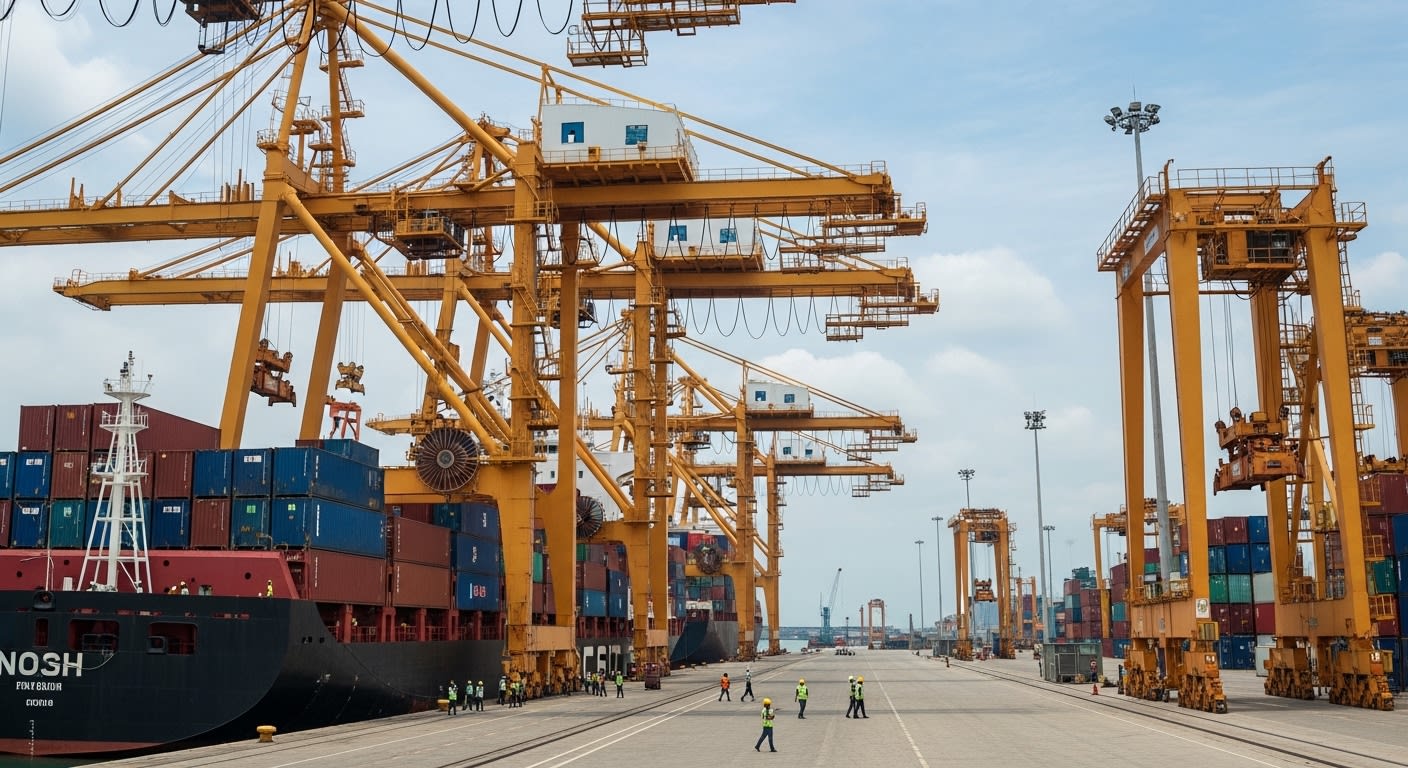
The national single window migration by all government agencies is transforming how governments and businesses interact in today’s digital economy. As countries move toward streamlined systems, this initiative simplifies processes, reduces delays, and improves transparency. For Nigeria and many developing economies, this shift represents a major step toward efficient governance and global competitiveness.
The National Single Window Concept
A National Single Window (NSW) is a centralized digital platform that allows businesses to submit all required documents for trade and regulatory processes in one place. Instead of dealing with multiple government agencies separately, users interact with a single system.
Because all agencies are connected, information flows seamlessly. As a result, duplication is reduced, and processes become faster. This integration ensures that approvals, verifications, and compliance checks happen more efficiently.
Governments Adopting National Single Window Systems
Governments worldwide are embracing digital transformation to improve service delivery. Therefore, the adoption of national single window systems is not surprising.
- Global trade demands faster and more transparent processes.
- Traditional systems often involve paperwork and delays.
- By implementing a single window system, governments can bridge this gap.
- Technology plays a key role. With advanced digital tools, agencies can now share data in real time.
- Decision-making becomes quicker and more accurate.
Key Components of National Single Window Migration
The success of the national single window migration by all government agencies depends on several important components.
- First, strong digital infrastructure is essential. Without reliable systems, integration cannot function effectively. In addition, policies must align across agencies to ensure smooth collaboration.
- Data standardization. When all agencies use the same formats and protocols, information exchange becomes seamless. Therefore, interoperability is a key requirement for success.
Key Benefits for Nigerian Businesses
1. Faster Cargo Clearance
Goods move more quickly through ports, which improves supply chain efficiency.
2. Reduced Corruption Risks
Digital tracking limits human interference. Therefore, unofficial charges and delays are minimized.
RECOMMENDED ARTICLES
Full Cost Breakdown of Importing Goods into Nigeria in 2026
Professional Custom Documentation and Clearance Services in Nigeria
Reliable Import and Export clearing Services across Nigeria
3. Better Transparency
Every step of the process is visible, so businesses can track progress in real time.
4. Increased Competitiveness
With smoother trade processes, Nigerian businesses can compete better in global markets.
Use Reliable Anchor Nigeria Limited stands out by providing dependable, cost-effective haulage services tailored to business needs. Some of their services include:
- Customs Clearance
- Compliance & Advisory
- Port Operations Support
- Import & Export Documentation
- Freight & Logistics Coordination
Impact on Businesses, Importers, and Exporters
For businesses, the national single window migration by all government agencies brings practical advantages.
- Documentation becomes simpler. You can submit forms online without visiting multiple agencies. This saves time and effort.
- Delays at ports and borders are reduced. Because agencies work together within one system, approvals happen faster.
- Businesses become more competitive. With smoother processes, companies can focus on growth rather than administrative challenges.
Challenges in Implementation
Despite its benefits, implementing a national single window system is not without challenges.
- Some agencies may resist change due to existing systems or internal processes. However, proper training and awareness can address this issue.
- Technical limitations also pose challenges. For instance, integrating multiple systems requires time and resources
- Cybersecurity concerns must be carefully managed to protect sensitive data.
Nevertheless, these challenges are temporary and manageable with the right strategies.
Steps for Successful Implementation
To ensure success, governments must adopt a structured approach.
- First, collaboration among stakeholders is crucial. Agencies must work together to align policies and processes
- Phased rollout helps identify and fix issues early. Instead of launching everything at once,
- Gradual implementation allows for smoother transitions.
- Finally, continuous monitoring ensures the system remains effective.
- By making regular improvements, governments can maintain efficiency and reliability.
The Future of National Single Window Systems
Looking ahead, national single window systems will continue to evolve. Emerging technologies such as artificial intelligence and blockchain will enhance efficiency and security.
Moreover, these systems may expand beyond trade. In the future, citizens could access various government services through a single platform. As a result, digital governance will become more integrated and user-friendly.
By simplifying processes, improving transparency, and reducing costs, this system benefits both governments and businesses and Reliable Anchor Nigeria Limited can help you reduce costs and ensure efficient cargo movement. Ultimately, choosing the right strategy leads to smoother operations and improved profitability.
Contact us today:
Phone us;
(+234)7060582482
Send us a direct message on Whatsapp
Visit us today:
1 Creek Rd Apapa Lagos Nigeria
Mail us:
Frequently Asked Question on national Single window migration
1: What is the national single window migration by all government agencies?
It is the process of integrating all government agencies into one digital platform for handling trade and regulatory procedures.
2: How does a national single window system improve trade efficiency?
It reduces delays, eliminates duplication, and enables faster approvals through a centralized system.
3: Which government agencies are involved in a single window system?
Typically, customs, port authorities, regulatory agencies, and tax bodies are included.
4: What challenges can occur during national single window implementation?
Common challenges include technical integration issues, resistance to change, and cybersecurity concerns.
5: How does the single window system reduce corruption?
Digital tracking limits human interference, making transactions more transparent and accountable.