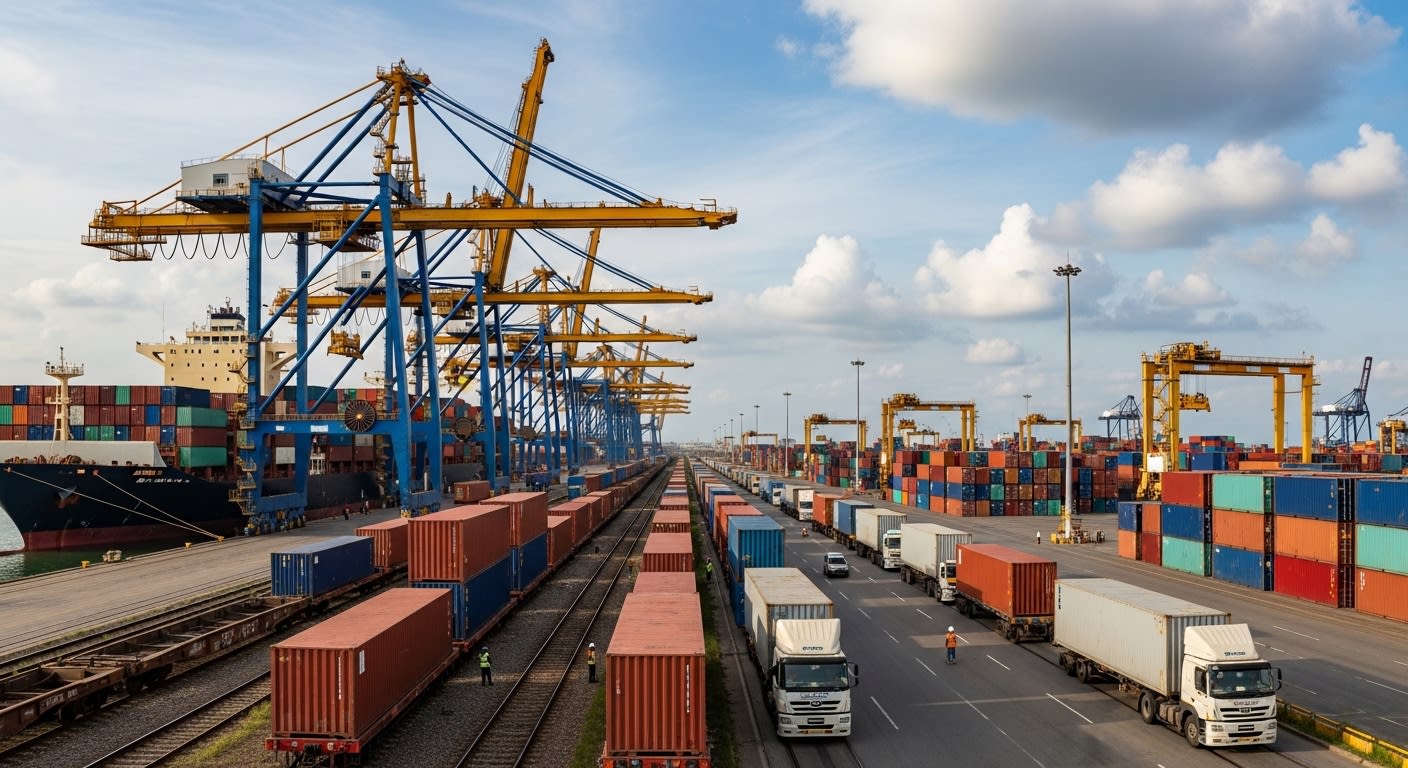
Nigeria’s import regulations in 2026 have been updated to protect local industries and reduce dependence on foreign goods. According to recent government policy updates, 15 major categories of goods are now restricted or prohibited from importation, especially from non-ECOWAS countries. Understanding this is essential for anyone involved in importation, shipping, or logistics. As Nigeria continues to strengthen its local industries and reduce dependency on foreign goods, import regulations have become stricter. Therefore, businesses must stay informed to avoid delays, penalties, or cargo seizures.
Reliable Anchor, we help importers navigate these rules smoothly. However, before shipping any product, it is important to know what items fall under restricted or prohibited categories.
Top 15 Restricted and Prohibited Imports in Nigeria (2026)
- Live or Frozen Poultry Products Import Ban in Nigeria
- Pork and Beef Products Import Restrictions Explained
- Bird Eggs Import Rules and Limitations
- Spaghetti and Noodles Import Prohibition in Nigeria
- Fruit Juice in Retail Packs Import Restriction
- Refined Vegetable Oils and Fats Import Policy
- Sugar with Additives Import Ban Details
- Cocoa Butter, Powder, and Cake Import Restrictions
- Flavoured Drinks and Beverages Import Limitations
- Bagged Cement Import Prohibition in Nigeria
- Fertiliser Import Restrictions (NPK and Others)
- Pharmaceutical Products Import Ban (Common Medicines)
- Soaps and Detergents Import Restrictions
- Mosquito Repellent Coils Import Policy
- Used Tyres and Rethreaded Tyres Import Ban
1.Live or Frozen Poultry Products Import Ban in Nigeria
Nigeria restricts the importation of poultry products to encourage local farming. This includes frozen chicken, turkey, and processed poultry meat. Additionally, day-old chicks and related poultry products are also controlled.
2.Pork and Beef Products Import Restrictions Explained
Processed meat products such as bacon, sausages, and packaged beef are restricted. As a result, importers must comply with strict regulations before bringing these goods into the country.
3.Bird Eggs Import Rules and Limitations
Table eggs and processed egg products are restricted to protect local poultry producers. Similarly, powdered and liquid egg products fall under this category.
4.Spaghetti and Noodles Import Prohibition in Nigeria
Packaged pasta and instant noodles are restricted to support local manufacturers. Consequently, importing these products without proper approval can lead to confiscation.
5.Fruit Juice in Retail Packs Import Restriction
Retail-packaged fruit juices and bottled drinks are restricted. This policy encourages local beverage production and reduces foreign competition.
6.Refined Vegetable Oils and Fats Import Policy
Refined palm oil, vegetable oils, margarine, and processed fats are restricted. Therefore, businesses must source locally or obtain special approvals.
7.Sugar with Additives Import Ban Details
Packaged sugar with additives and retail-sized refined sugar are restricted. This measure supports Nigeria’s sugar production industry.
RECOMMENDED ARTICLE
Maersk Suspends Shipments: Impact on Horn of Africa Trade and Nigeria
Cost of Importing a 20ft vs 40ft Container into Nigeria in 2026
Full Cost Breakdown of Importing Goods into Nigeria in 2026
8.Cocoa Butter, Powder, and Cake Import Restrictions
Despite being a major cocoa producer, Nigeria restricts the import of cocoa derivatives such as cocoa powder and butter. This policy promotes local processing industries.
9.Flavoured Drinks and Beverages Import Limitations
Carbonated drinks, flavored beverages, and some packaged drinks are restricted. As a result, local beverage companies benefit from reduced foreign competition.
10.Bagged Cement Import Prohibition in Nigeria
Nigeria prohibits the importation of bagged cement to strengthen local production. Therefore, importers must rely on domestic manufacturers.
11.Fertiliser Import Restrictions (NPK and Others)
Certain fertilizers, including NPK blends, are restricted. This policy supports local agricultural production and distribution.
12.Pharmaceutical Products Import Ban (Common Medicines)
Common medicines such as paracetamol and chloroquine are restricted to encourage local pharmaceutical manufacturing.
13.Soaps and Detergents Import Restrictions
Bar soaps, liquid soaps, and detergents are restricted. Consequently, local producers are given more market opportunities.
14.Mosquito Repellent Coils Import Policy
Mosquito coils and similar insect repellents are restricted. This helps boost local production of household protection products.
15.Used Tyres and Rethreaded Tyres Import Ban
Second-hand and rethreaded tyres are prohibited due to safety concerns. Therefore, only new tyres are allowed for importation.
Other Fully Prohibited Items (Absolute Ban)
Apart from the 15 categories, some goods are completely banned, including:
- Counterfeit and pirated products
- Weapons and firearms
- Obscene materials
- Dangerous chemicals
These are banned for safety, legal, and security reasons.
Why Nigeria Restricts Imports in 2026
The Nigerian government introduced these restrictions as part of its 2026 fiscal policy measures to:
- Promote local industries
- Reduce foreign exchange pressure
- Encourage self-sufficiency
- Boost job creation
These policies are enforced by the Nigeria Customs Service at all ports.
What This Means for Importers and Businesses
If you’re importing goods into Nigeria:
- You must verify if your product is restricted or prohibited
- Non-compliance can lead to seizure, fines, or delays
- Proper documentation and guidance are essential
How Reliable Anchor Can Help You
Navigating Nigeria’s import regulations can be complex. However, Reliable Anchor simplifies the process by offering:
- Expert import/export consultation
- Alternative sourcing and shipping strategies
- Compliance guidance to avoid penalties
- Customs Clearance Support
- Compliance & Advisory
- Port Operations Support
- Import & Export Documentation
- Freight & Logistics Coordination
With the right logistics partner, you can avoid costly mistakes and delays.
Ship Smarter with Reliable Anchor
Don’t let import restrictions delay your business or cause losses. Instead, partner with Reliable Anchor for smooth, compliant, and efficient shipping solutions.
👉 Contact Reliable Anchor today to:
- Verify if your goods are allowed into Nigeria
- Get expert import/export guidance
- Ensure fast and stress-free customs clearance
Contact us today:
Phone us;
(+234)7060582482
Send us a direct message on Whatsapp
Visit us today:
1 Creek Rd Apapa Lagos Nigeria
Mail us:
Frequently Asked Questions on Prohibited Imports In Nigeria
1: What are restricted and prohibited imports in Nigeria?
Restricted and prohibited imports in Nigeria are goods that are either banned or require special approval to enter the country. These rules are set to protect local industries and ensure safety.
2: Why does the Nigerian government restrict certain imports?
The government restricts imports to support local production, reduce dependence on foreign goods, and strengthen the economy.
3: Can restricted goods be imported legally into Nigeria?
Yes, some restricted goods can be imported legally if you obtain the required permits and approvals from relevant authorities.
4: What happens if I import banned goods into Nigeria?
Importing banned goods can lead to cargo seizure, heavy fines, shipment delays, or legal penalties from customs authorities.
5: How can I check if my product is allowed in Nigeria?
You can verify import regulations through the Nigeria Customs Service or consult a logistics expert like Reliable Anchor before shipping.