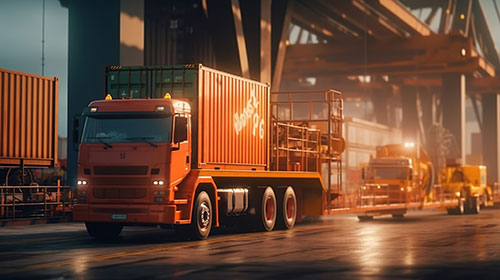
Understanding the full cost breakdown of importing goods into Nigeria in 2026 is essential for anyone planning to start or grow an import business. Many beginners underestimate the total expenses involved, which often leads to unexpected losses. Therefore, knowing every cost component upfront will help you plan effectively and maximize profit.
Importing Goods into Nigeria
To begin with, importing goods into Nigeria involves several stages, including sourcing, shipping, customs clearance, and delivery. Each stage comes with its own costs and requirements. In addition, multiple regulatory bodies oversee the process to ensure compliance with national standards. Reliable Anchor Nigeria Limited can help make this easier
Furthermore, agencies such as customs authorities and regulatory organizations play key roles in approving and inspecting imported goods. As a result, importers must follow strict procedures to avoid delays.
Initial Costs Before Importation
Product Sourcing and Supplier Costs
First, you need to pay for the goods themselves. This cost depends on the supplier, product quality, and quantity. In most cases, bulk purchases reduce the unit cost, which improves profit margins.
International Shipping and Freight Charges
Next, shipping costs vary based on weight, volume, and shipping method. Air freight is faster but more expensive, while sea freight is cheaper for large shipments. Therefore, choosing the right shipping method is crucial.
RECOMMENDED ARTICLES
Reliable Anchor Nigeria Limited
Professional Custom Documentation and Clearance Services in Nigeria
Reliable Import and Export clearing Services across Nigeria
Insurance and Risk Coverage Fees
Additionally, insurance protects your goods from damage or loss during transit. Although it adds to the cost, it reduces financial risk significantly.
Customs Duties and Government Charges in Nigeria
Import Duty Rates Based on Product Categories
Import duty is one of the largest expenses. The rate depends on the type of goods being imported. For example, some products attract low duties, while others face higher tariffs.
Value Added Tax (VAT) on Imported Goods
Moreover, a 7.5% VAT applies to most imported goods. This tax is calculated based on the total value of the goods, including shipping and duty.
ECOWAS Levy, CISS, and Other Statutory Fees
In addition, importers must pay extra charges such as ECOWAS levy and CISS fees. These costs may seem small individually, but they add up quickly.
Port and Clearance Charges
Terminal Handling Charges and Port Fees
Once goods arrive in Nigeria, port charges apply. These include terminal handling and administrative fees.
Customs Clearing Agent Fees
Most importers hire clearing agents to handle documentation and clearance. Although this service costs money, it simplifies the process and reduces errors.
Storage, Demurrage, and Wharfage Costs
If goods stay too long at the port, storage and demurrage fees increase. Therefore, timely clearance helps you avoid unnecessary expenses.
Documentation and Compliance Costs
- Form M Processing and Approval Fees
Form M is a mandatory document for importation in Nigeria. Processing it involves bank and administrative fees.
- Pre-Arrival Assessment Report (PAAR) Charges
Additionally, PAAR is required for customs clearance. It helps determine the correct duty payable.
- SONCAP and NAFDAC Certification Costs
Certain goods require certifications for quality and safety. While these certifications ensure compliance, they also increase total costs.
Logistics and Inland Transportation Expenses
- Haulage and Delivery Costs Within Nigeria
After clearance, goods must be transported to your warehouse or shop. Transportation costs depend on distance, fuel prices, and road conditions.
- Warehousing and Distribution Expenses
- In some cases, you may need storage before distribution. Therefore, warehousing costs should be included in your budget.
Reliable Anchor Nigeria Limited provides comprehensive freight and logistics coordination services
that ensure your cargo moves safely, efficiently and on schedule from origin to final destination some of there services include;
- Customs Clearance
- Compliance & Advisory
- Port Operations Support
- Import & Export Documentation
- Freight & Logistics Coordination
Hidden Costs Importers Often Overlook
Exchange Rate Fluctuations and Forex Charges
Currency fluctuations can significantly affect your total cost. For instance, a weaker naira increases import expenses.
Delays, Penalties, and Inspection Fees
Unexpected delays often lead to penalties and additional inspection fees. As a result, proper planning is essential.
Corruption and Unofficial Payments Risks
Although not official, some importers encounter extra charges. Staying compliant helps you avoid such risks.
Total Cost Estimation Example
When you combine product cost, shipping, duties, and logistics, the total expense can be much higher than expected. Therefore, calculating every component in advance ensures accurate pricing and profitability.
Tips to Reduce Importation Costs in Nigeria
- Choosing Cost-Effective Shipping Methods
Selecting sea freight for bulk goods can significantly reduce expenses.
- Working with Reliable Clearing Agents
Experienced agents help you avoid delays and unnecessary charges.
- Avoiding Common Importation Mistakes
Proper documentation and compliance prevent penalties and extra costs.
Legal Requirements and Compliance in 2026
Import regulations continue to evolve, so staying updated is important. Additionally, some goods remain restricted or prohibited, which means you must verify product eligibility before importing.
Reach out to Reliable Anchor Nigeria Limited they have been providing professional customs clearance,
import and export documentation, and logistics support across Nigeria for businesses of all sizes.
Contact us today:
Phone us;
(+234)7060582482
Send us a direct message on Whatsapp
Visit us today:
1 Creek Rd Apapa Lagos Nigeria
Mail us:
Frequently Asked Questions on Cost Breakdown of Importing Goods into Nigeria
1: What is the total cost of importing goods into Nigeria in 2026?
The total cost includes product price, shipping, duties, taxes, clearance fees, and logistics expenses.
2: How are import duties calculated in Nigeria?
Import duties are calculated based on the product category and the total value of the goods.
3: What documents are required to import goods into Nigeria?
You need Form M, PAAR, bill of lading, invoice, and other regulatory certifications.
4: How can I reduce importation costs in Nigeria?
You can reduce costs by choosing cheaper shipping methods, avoiding delays, and using reliable agents.
5: What are the hidden charges when importing goods into Nigeria?
Hidden costs include exchange rate changes, storage fees, penalties, and unofficial charges.